
Confession and Recognition
American PsychoThis flow traces Bateman's repeated efforts to be seen as monstrous and the social world's persistent refusal to recognize him.
increasing Bearing strength in each event
 decreasing
Bearing strength in each eventdecreasingPrivate Admission

Private Admission
Spoken Truth
Bateman tells Evelyn and others fragments of his violent behavior.
Comic Reception
They interpret his remarks as jokes, eccentricity, or bad taste.
Significance
Truth becomes invisible when delivered in a culture trained to hear only performance.
Kimball's Doubt

Kimball's Doubt
Investigation Limits
Donald Kimball suspects uncertainty but lacks evidence connecting Bateman to Owen.
Social Shield
Bateman's manners, office, and wealth make suspicion difficult to sustain.
Significance
Institutional attention reaches the surface and stops there.
Carnes's Laughter
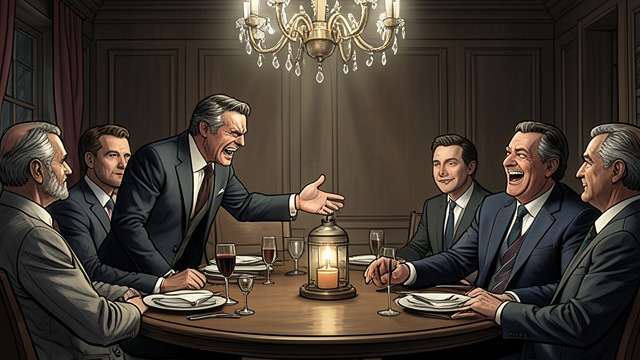
Carnes's Laughter
Confession Repeated
Bateman insists to Harold Carnes that his message about Owen and the escorts was true.
Dismissal
Carnes laughs, calls it a joke, and cites dinners with Owen in London.
Significance
The confession fails not because it lacks detail but because recognition is structurally unavailable.
Reality Argument
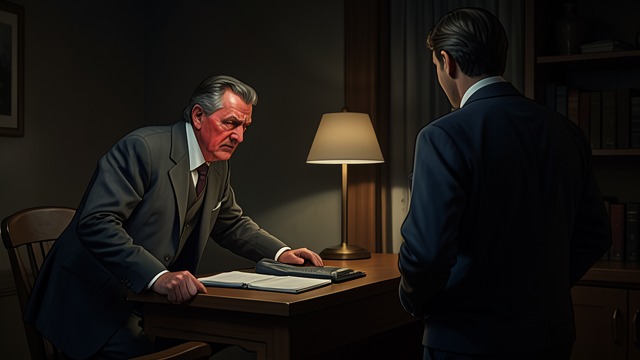
Reality Argument
Desperate Insistence
Bateman repeats that he killed Owen and liked it.
Social Refusal
Carnes says the claim is impossible and leaves the conversation.
Significance
The more directly Bateman speaks, the more completely the world translates him into absurdity.
Unheard Ending

Unheard Ending
No Verdict
Bateman remains in the same social world after confession, violence, and investigation.
No Transformation
He gains neither punishment, repentance, nor reliable self-knowledge.
Significance
The final conflict is between a need to be recognized and a world that recognizes only surfaces.
after Owen's murder
early summer
late autumn
same club night
end of the 1980s
